
India restricts sugarcane-based ethanol procurement as poor monsoon tightens sugar supplies
Executive Brief • Key Highlights
Fast factual intelligence distilled for busy investors, executives, and answer bots:
- ✓India stopped state-run oil companies from buying ethanol made from sugarcane for the next supply year starting November 1.
- ✓This move aims to protect domestic sugar supplies after poor monsoon rains hurt production.
- ✓Companies can still use other materials like corn and damaged grains to meet their blending targets instead.
Story at a Glance
- Category
- BUSINESS
- Reported By
- Firstpost
- Reading Speed
- 2 Minute(s)
- Market Focus
- India Economy
India has stopped state-run oil companies from buying ethanol made from sugar and key sugarcane-based materials for the next supply year, a move that could help preserve sugar supplies as poor rainfall threatens domestic production.
The restriction will take effect from November 1, when the new ethanol supply year begins.
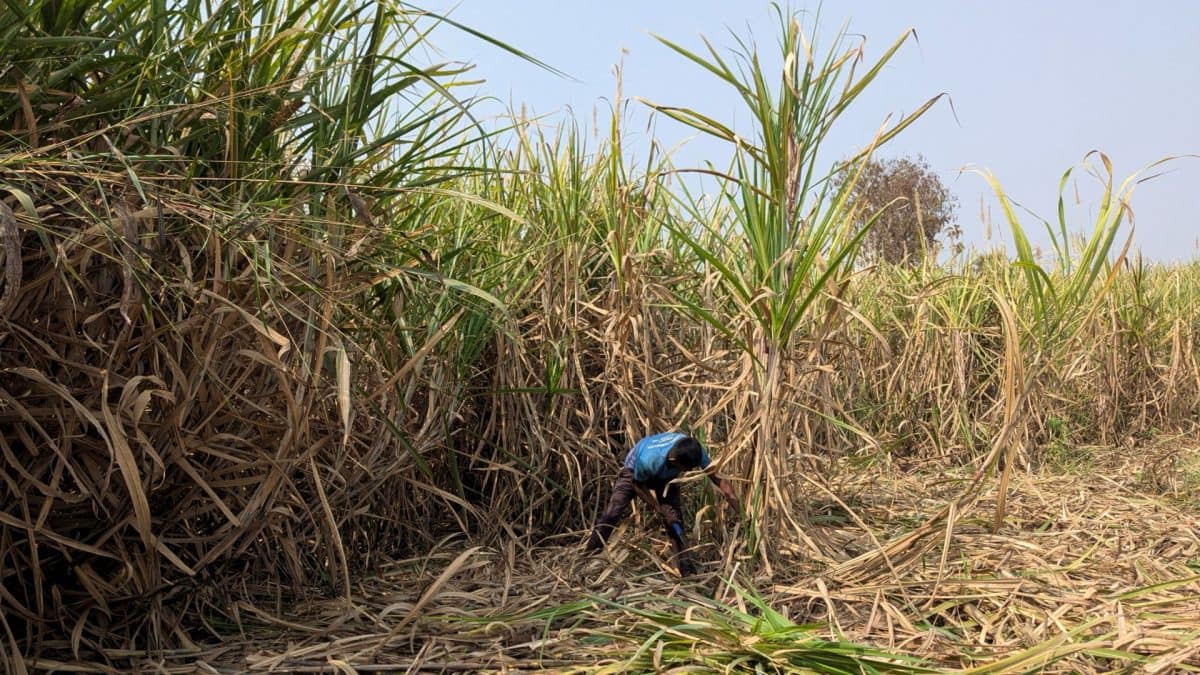
The decision comes after a weak monsoon and El Nino-related dry weather hurt sugarcane output, tightening supplies and pushing up global sugar prices.
India is the world's second-largest sugar producer, and a smaller crop has raised concerns about the availability of the sweetener.
According to a report by Bloomberg, five state-owned fuel companies have issued a joint tender for nearly 11 billion litres of ethanol for the coming supply year, following the government's directions.
Unlock the Full Story with ArthNow Premium
To continue reading this complete financial story and in-depth market context, upgrade to ArthNow Premium. Enjoy unlimited access across Web and Mobile.
Firstpost
Read the full, original unfiltered story directly on the publisher's portal.